
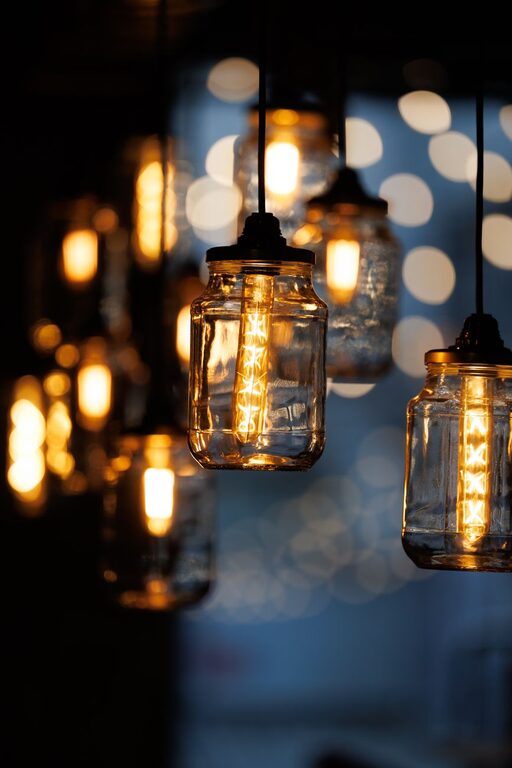
Creating comfortable home lighting is essential for making your living space feel warm, welcoming, and functional. The right lighting not only enhances the aesthetics of your home but also supports your daily activities and improves your overall mood. Whether you’re redesigning a single room or updating your entire home, understanding how to choose comfortable lighting can transform your environment.
In this guide, we’ll explore practical tips on selecting lighting that balances style, comfort, and functionality.
Understand the Types of Lighting
Before choosing fixtures, it’s helpful to know the three main types of lighting and their purposes:
1. Ambient Lighting
This is the general, overall light that fills a room. It provides uniform illumination and ensures you can move around safely. Common sources include ceiling-mounted fixtures, recessed lights, or large pendant lamps.
2. Task Lighting
Task lighting is brighter and focused, designed to help you perform specific activities such as reading, cooking, or working. Examples include desk lamps, under-cabinet lights in the kitchen, or vanity lights in the bathroom.
3. Accent Lighting
Accent lighting highlights particular areas or objects, adding depth and interest to your space. Think wall sconces, picture lights, or LED strips highlighting shelves or artwork.
A comfortable home lighting plan includes a mix of these layers, allowing you to adjust light according to your needs.
Choose the Right Color Temperature
Color temperature, measured in Kelvin (K), affects how warm or cool your lights appear:
– Warm light (2700K–3000K): Creates a cozy, relaxing atmosphere. Ideal for living rooms, bedrooms, and dining areas.
– Neutral light (3500K–4100K): Balanced and natural light, suitable for kitchens, bathrooms, and workspaces.
– Cool light (5000K–6500K): Bright, energizing light often used for task lighting or in areas that need high visibility.
For comfortable home lighting, aim for warmer tones in living and sleeping spaces to promote relaxation, and use neutral lighting in functional areas.
Consider Light Intensity and Dimming Options
Brightness, or light intensity, is measured in lumens. Too bright or too dim light can cause discomfort or eye strain. Here are some tips:
– Use dimmable bulbs or fixtures to adjust brightness according to time of day or activity.
– Choose fixtures with adjustable shades or positions to direct light where you need it.
– For rooms with natural light, select lighting that complements the sunlight instead of overpowering it.
Dimmers give you control and flexibility, making your home lighting more comfortable and energy-efficient.
Prioritize Lighting Placement and Fixtures
Where and how you place your lights impacts comfort significantly:
– Place task lights close to where activities happen, such as reading corners or kitchen counters.
– Avoid placing bright lights directly in your line of sight to reduce glare.
– Use layered lighting to create a balanced and inviting environment.
– Incorporate fixtures that suit your room size and style—oversized chandeliers might overwhelm small spaces, while too-small fixtures may look underwhelming in large rooms.
Choose Bulbs That Reduce Eye Strain
Certain bulbs are designed to produce soft, flicker-free light, which can be easier on your eyes. When selecting bulbs, look for:
– LEDs with high Color Rendering Index (CRI) ratings (above 80) for natural color appearance.
– Flicker-free technology to reduce headaches and eye fatigue.
– Non-blue light dominant bulbs for evening use to support healthy sleep patterns.
Use Smart Lighting for Personalized Comfort
Smart lighting systems let you customize brightness, color temperature, and scheduling through your smartphone or voice assistants. Benefits include:
– Adjusting morning light to help you wake up gently.
– Setting warmer lights in the evening to unwind.
– Changing colors for fun or seasonal moods.
– Automating lights based on occupancy or natural light levels.
Integrating smart lighting can increase convenience and comfort throughout your home.
Think About Energy Efficiency
Comfortable lighting doesn’t have to come with high energy costs. LEDs are the most energy-efficient choice, lasting longer and consuming less electricity compared to incandescent or halogen bulbs. Choosing efficient lighting reduces environmental impact and utility bills, making your home lighting both comfortable and sustainable.
Tips for Specific Rooms
Living Room
– Use a combination of ambient lighting and floor lamps or table lamps for task lighting.
– Warm color temperatures and dimmers enhance coziness.
– Accent lighting can highlight artwork and architectural features.
Kitchen
– Bright, neutral lighting for cooking and meal prep.
– Under-cabinet lights are excellent for eliminating shadows on counters.
– Consider adjustable fixtures to focus light on different work zones.
Bedroom
– Soft, warm lights promote relaxation.
– Use bedside lamps or wall sconces for reading.
– Dimmer switches help adjust light at night.
Bathroom
– Bright, neutral light for grooming tasks.
– Use fixtures around mirrors to minimize shadows.
– Consider moisture-resistant lighting.
Final Thoughts
Creating comfortable home lighting involves more than just selecting pretty fixtures. By understanding lighting types, color temperatures, brightness, placement, and bulb technology, you can design a home environment that feels pleasant and supports your lifestyle. Don’t hesitate to experiment with layers of lighting and make adjustments based on your daily routines.
Investing time in thoughtful lighting choices will pay off with a home that is both beautiful and comfortable to live in.
—
By keeping these tips in mind, you can choose lighting solutions that brighten your home with comfort and style. Happy lighting!