
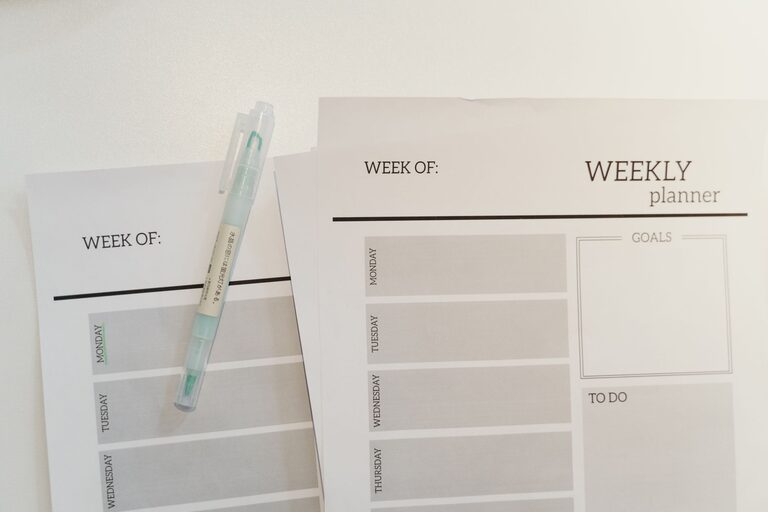
Setting goals is a key part of staying organized and productive. Weekly goals, in particular, help you focus on short-term tasks that contribute to your bigger objectives. However, setting unrealistic goals can lead to frustration and burnout. This post will guide you through the process of creating realistic weekly goals that you can accomplish with confidence.
Why Set Weekly Goals?
Weekly goals break down larger projects into manageable steps. They provide direction and a sense of accomplishment as you check off tasks. Setting goals on a weekly basis also allows for flexibility; you can adjust your plans based on progress and new priorities.
Understanding What Makes a Goal Realistic
A realistic goal is one that’s attainable within the given timeframe and resources you have. It considers your available time, energy, skills, and external commitments. When goals are too ambitious, they often feel overwhelming and can become discouraging.
Steps to Setting Realistic Weekly Goals
1. Reflect on Your Bigger Picture
Start by thinking about your long-term plans. What are your monthly or yearly objectives? Aligning your weekly goals with these bigger aims ensures that your efforts contribute to meaningful progress.
2. Assess Your Current Schedule
Look at your calendar and identify how much time you realistically have for working toward your goals. Be honest about other responsibilities like work, family, or personal time.
3. Prioritize Your Tasks
Not every task has equal importance. Choose goals that are meaningful and urgent. Use a simple priority system: high, medium, and low. Focus mainly on high-priority tasks in your weekly plan.
4. Break Down Larger Tasks
If a goal seems too big, divide it into smaller, manageable actions. For example, instead of “write a report,” your weekly goals could include “research topic,” “write outline,” and “draft sections.”
5. Use the SMART Criteria
SMART stands for Specific, Measurable, Achievable, Relevant, and Time-bound. Apply this framework to your weekly goals to increase clarity and accountability. For instance, “Exercise for 30 minutes, 3 times this week” is more effective than “Exercise more.”
6. Limit the Number of Goals
Avoid overloading your week. Choose 3 to 5 goals to keep your workload manageable. This helps you focus and increases the chance of completing them.
7. Plan for Obstacles
Consider potential challenges like unexpected meetings or low energy days. Build extra buffer time and have backup plans to stay on track.
8. Write Down Your Goals
Documenting your goals makes them more tangible. Use a planner, digital app, or journal to keep your weekly goals visible.
Tips for Staying Motivated
– Review Progress Regularly: Set a specific time each day or week to check your progress and adjust goals if necessary.
– Celebrate Small Wins: Acknowledge your accomplishments to maintain momentum.
– Stay Flexible: Life can be unpredictable. If you can’t complete a goal, reschedule it or modify it rather than giving up.
– Use Visual Reminders: Sticky notes, charts, or digital notifications can keep your goals front and center.
– Find an Accountability Partner: Sharing your goals with someone else can increase commitment.
Example of Setting Weekly Goals
Let’s say you want to improve your writing skills. Your monthly goal might be “Publish four blog posts.” Your weekly goals could be:
– Research topics on Monday and Tuesday
– Write first draft on Wednesday
– Edit the draft on Thursday
– Publish post on Friday
This breakdown makes the larger goal achievable step by step.
Tools to Help You Set and Track Weekly Goals
– To-Do List Apps: Todoist, Microsoft To Do, or Google Keep help organize tasks.
– Calendar Apps: Google Calendar or Outlook for scheduling tasks and reminders.
– Habit Trackers: Apps like Habitica or Streaks track your consistency.
– Journals: Bullet journals offer customizable ways to plan and reflect.
Conclusion
Setting realistic weekly goals is a practical way to maintain focus and productivity. By considering your priorities, time, and resources, and breaking down larger tasks, you can create achievable plans that lead to success. Remember to stay flexible and celebrate your progress along the way.
Goal-setting is a skill that improves with practice. Start small, be kind to yourself, and watch your weekly achievements build toward your bigger dreams.